
Opening hook
The myth we all swore by but never checked
Remember that folk tale everyone tells at networking events: “Work harder and the internet will notice.” It’s comforting. Like a warm blanket made of hustle and motivational stickers.
But here’s the rude awakening: most people online grind like they owe the Wi‑Fi money, yet their results are about as predictable as a cat choosing a nap spot. The myth says effort equals victory. Reality says effort without a map equals wandering around a mall until you accidentally find the food court.
Short version: sweat ≠ strategy.
What people actually do online
Posting like it’s going out of style
If posting were cardio, most of us would be marathoners. We post daily, hourly, during telemarketer calls — you name it. The content flywheel spins. Likes saunter by. Crickets RSVP to the comments section.
Quantity is fun. It feels productive. It looks busy. But busy doesn’t mean moving toward a goal; it often means repainting the same wall with the same brush.
Binge watching tutorials for emotional support
There is a special kind of comfort in 27-minute videos promising growth in 3 easy steps. We watch until 3 a.m., feeling wise, then wake up and do nothing differently.
We gather knowledge like squirrels collect nuts. The problem: knowledge isn’t income until you actually use it. Watching another tutorial can feel like action because your brain gets the dopamine of preparation.
Very relatable behavior.
Tool hopping with the enthusiasm of a magpie
New tool drops? Head rush. Fancy dashboard? Must click. Yesterday’s app becomes today’s digital souvenir.
Tools are glamorous. They promise orchestration, automation, and the ambiance of a Silicon Valley hoodie. But spinning the software carousel without a clear plan turns you into a collector of apps and an expert in setup screens.
Simplicity wins.
The great guessing game
Guessing what to post
“Should I post a meme or a manifesto?” people ask in terrifyingly long threads. Guessing content is like choosing a lottery ticket based on astrological signs. You might win. Mostly you don’t.
Stop guessing. Start testing.
Guessing what works
People assume other people have a secret sauce. Spoiler: they probably just repeat what worked, then tweak. But if you never measure, you’re guessing blindfolded.
The solution is embarrassingly tiny: pick something to measure.
Guessing what to focus on first
The “what now?” paralysis is real. Website redesign? Reel? Email list? Podcast? The million tabs open in your brain scream for attention.
Pick one thing. Yes, one. Your future self will high-five you.
Why effort without a system is glorified busywork
The hamster wheel of activity
Imagine a hamster on a tiny wheel who posts three times daily, watches tutorials, and signs up for a course on “How to Post Better.” The hamster is exhausted. The wheel is spotless. The needle on progress is unmoved.
Busyness is a good disguise for not knowing what to do. It’s also a perfect recipe for burnout.
How time disappears without direction
Time has a sneaky way of evaporating when tasks are unprioritized. You spend hours crafting a post that turns into three likes and your ex’s aunt shares it ironically.
Without direction, your calendar becomes an all-you-can-eat buffet of half-finished ideas. Eat one entrée.
Short paragraph.
What a real system looks like
Clarity about who you are talking to
A system starts with one clear person. Not “everyone.” Not “aspiring doers.” One actual human with a problem.
Give them a name if you must. Patricia, who hates complicated tools. Mark, who buys newsletters but never reads them. Talk like you know them. They will listen.
One prioritized action at a time
A real system says: do one thing well. Not five things half-baked. It could be producing one weekly video, or sending one useful email each Thursday. Pick the action that directly nudges your goal.
Slow and focused beats fast and scattered.
Quick feedback loops and tiny experiments
Instead of launching a 90-day epic plan, run micro-tests. Post one idea for a week. Measure reactions. Tweak.
Tiny experiments are cheap. Fast feedback keeps ego casualties low. And yes, sometimes they crash and burn. That’s data, not drama.
A tiny system you can steal tonight
Pick one audience and one promise
Step one: name the person. Step two: state the promise you’ll deliver to them. Example: “I help freelance designers get three better client inquiries each month.”
Two decisions. Done.
Commit to one content format and cadence
Choose one format and stick to it for a month. Maybe a weekly carousel, a short video, or a weekly newsletter. Pick a cadence you can keep.
Consistency is a boring superpower.
Measure one metric and test three simple ideas
Now pick one metric — clicks, replies, signups, whatever matters. Test three small variations: different headline, different CTA, different thumbnail.
Three tests. Minimal stress. Maximum learning.
How to crush shiny object syndrome
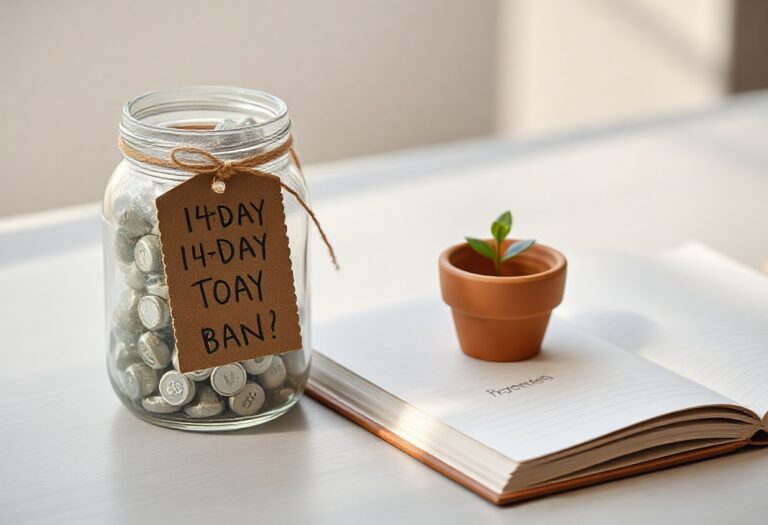
Two week tool ban experiment
Declare a two-week moratorium on new tools. No exceptions. If a new app shows up in your life, you treat it like a mystery novel: window-shop only.
Your attention is the actual currency. Don’t give it away for bells and widgets.
Reward progress not novelty
Make a list of specific wins: new email subscriber, a useful comment, finishing a draft. Celebrate those. Not with fireworks — maybe coffee.
Novelty feels good. Progress feels better.
A 30 day plan even your sleepy cousin can follow
Week 1 focus and setup
Pick that one audience. Define your promise. Choose format and cadence. Set up tracking for one metric. Reduce the number of apps to the essentials.
Make the setup boring and solid.
Week 2 content and consistency
Create content in batches. Post according to your cadence. Don’t overproduce. Aim for clarity.
If you’re stuck, ask a simple question to your audience. Humans love answering.
Week 3 measure and tweak
Look at your one metric. Which of the three test ideas performed best? Keep the winning tweak and discard the duds.
Small changes add up. Tiny wins compound.
Week 4 double down or pivot
If something works, do more of it. If nothing moved, change one variable and repeat the cycle. The goal is to build momentum, not showcase perfection.
Repeat the rhythm next month. You’ll be surprised how quickly a little consistency becomes a reliable machine.
Common mistakes and how to dodge them
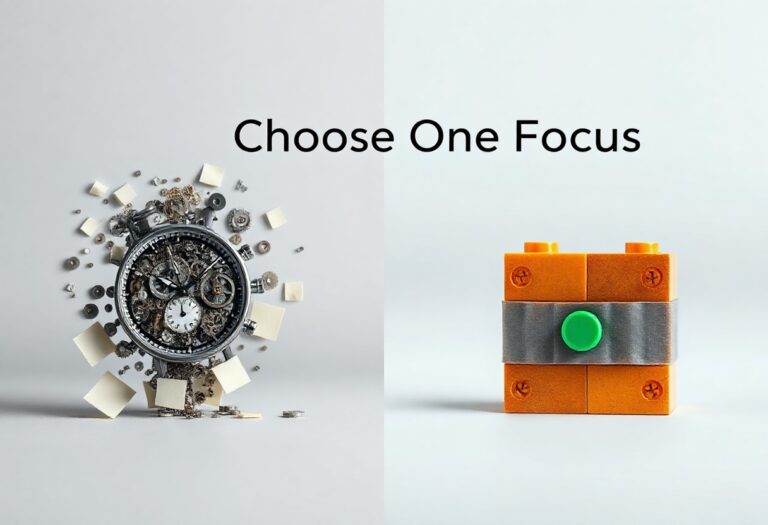
Overcomplicating the first system
People love complexity. They design Swiss-watch plans with too many moving parts. When things break, they panic, redesign, and build another watch.
Start with duct tape and a Lego. Keep it functional.
Confusing busyness with progress
Posting a dozen times a day and refreshing analytics is not the same as moving toward a clear goal. If it feels impressive but your metric is flat, you’re doing busywork.
Swap one busy activity for one focused experiment.
Closing mic drop
A small dare to stop guessing and start building
Here’s a tiny dare: tonight, name the exact person you want to help. Tomorrow, post one thing that helps them. Track the reaction for seven days.
No flashy relaunch. No new apps. Just a little focus and a bit of stubbornness.
If that feels tiny, perfect. Tiny is the glue that holds long projects together. Put on your least glamorous cap and build one small system. The internet may not bow down immediately, but your future self will send flowers.
End of sermon. Go do one useful thing.